
Now that the clocks have gone back, I notice the same thing every year, in my treatment room and in my own mirror. In November, skin starts to look a little tired. It feels tighter, looks duller, and reacts more easily. Most people reach for a richer cream, and that can help. But after more than twenty years of working with skin, I know that winter skin is rarely only about the weather. It is also about light, stress, sleep and what is on our plate.
So this month, I want to share my winter guide. It is exactly what I tell my clients when the dark season begins.
What actually happens to your skin in winter
- Cold air outside, dry air inside. Cold air holds very little moisture, and central heating dries the air in our homes even more. Your skin loses water faster through its surface. When the skin barrier can’t keep up, you feel tightness, flaking and that “my cream isn’t enough anymore” sensation.
- Less daylight changes your inner rhythm. Daylight is the signal that sets your body clock. With dark mornings and early evenings, many of us sleep less deeply and wake up less rested. Skin does most of its repair work at night, so poor sleep shows on the face quite quickly.
- Stress hormones affect your skin barrier. Cortisol is useful in short bursts, but when stress keeps it high for weeks, the skin barrier recovers more slowly. In my practice I see it all the time: a stressful December often brings redness, sensitivity and breakouts.
- Vitamin D drops. In the Netherlands, from roughly October to March the sun is too low for our skin to make much vitamin D. Vitamin D supports the immune system and plays a role in skin health, and many of us simply don’t have enough of it in winter.

My winter guide: 80% lifestyle, 20% products
I always say that healthy skin is 80% lifestyle and 20% products. Here is how I apply that in winter.
- Get morning light before screen light. Try to go outside within an hour of waking, even for ten minutes and even when it’s grey. Morning daylight helps set your body clock, which supports better sleep and a calmer stress response. I take a walk every morning, whatever the weather.
- Ask about vitamin D. The Dutch Health Council advises extra vitamin D for several groups, including women over 50 and people who are rarely outside. Check the Voedingscentrum advice for your age group, or ask your GP whether a supplement suits you.
- Eat for your skin barrier. Your skin barrier is built partly from fats, so give it good ones. Eat fatty fish such as salmon or mackerel, and add walnuts, flaxseed and olive oil. Add colourful vegetables and fruit for antioxidants and vitamin C, which your skin needs to make collagen. Warm soups and stews make this easy in winter.
- Drink warm, not only cold. In winter we often forget to drink because we don’t feel thirsty. Herbal teas count. As a botanist, I love chamomile, lemon balm and rooibos in the evening because they are calming and caffeine-free.
- Give stress five minutes a day. You don’t need an hour of meditation. Five slow breaths before you get up, or naming three things you’re grateful for, already helps. I do the gratitude practice every morning, and it changes how I start the day.
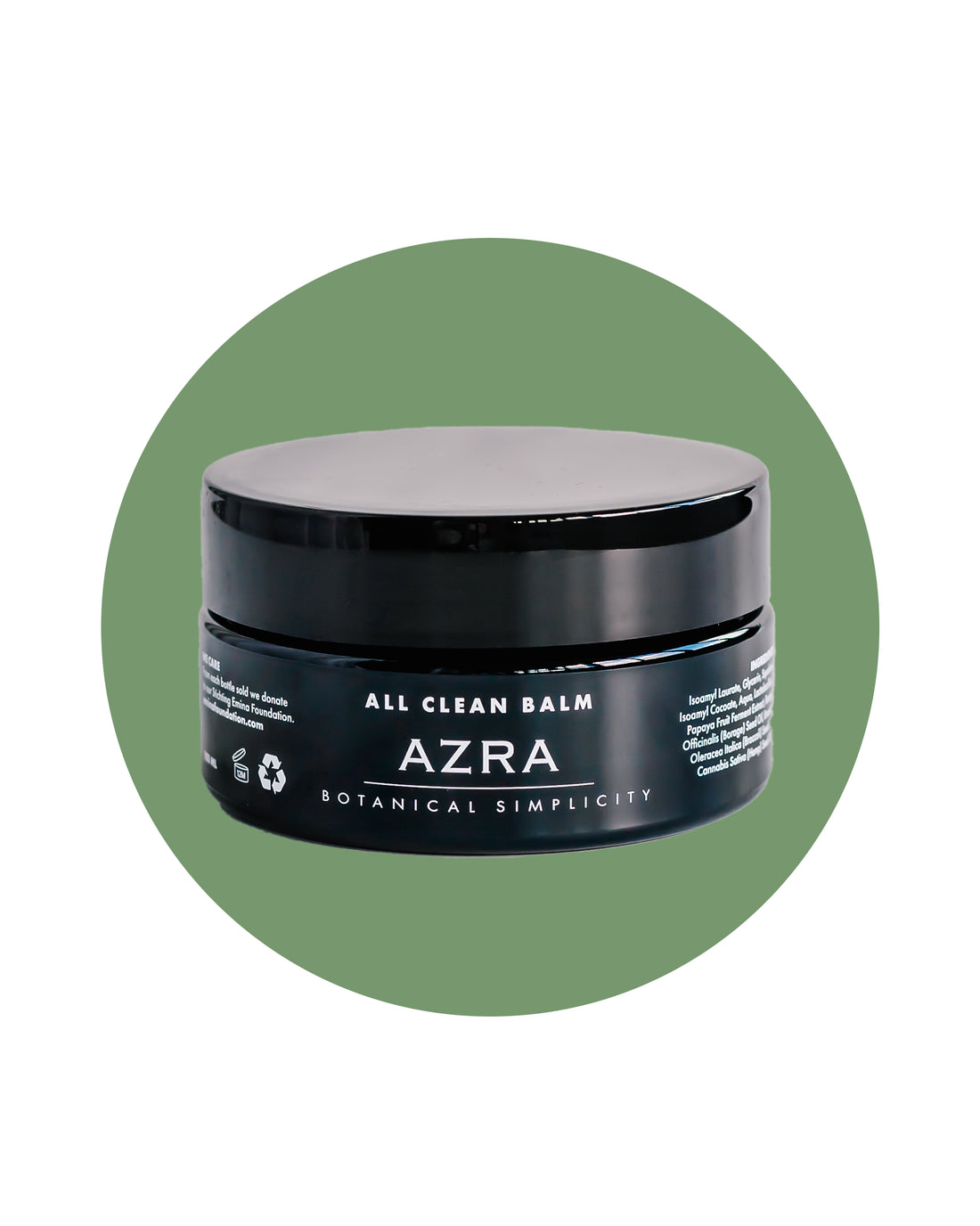
- Make your evening cleanse a ritual. This is my favourite stress-management tool, and it happens at the sink. I massage my face with the All Clean Balm for at least five minutes. It cleans without stripping, and the massage stimulates circulation and lymphatic flow and tells your nervous system it’s time to slow down. Then I press in a few drops of Daily Support Oil to protect the barrier overnight.
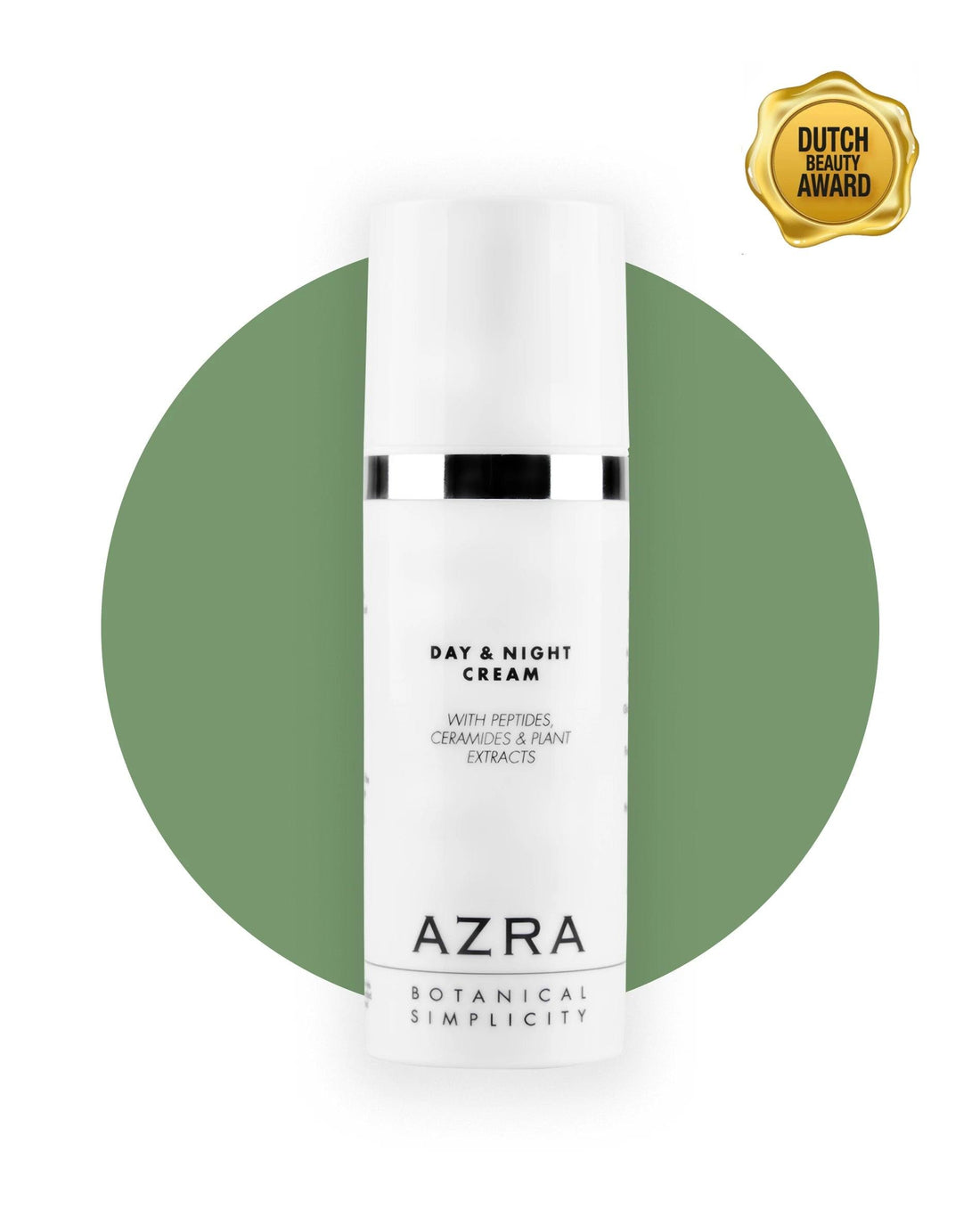
- Don’t drop your sunscreen. UVA rays, the ones that cause skin ageing, are present all year and pass through clouds and windows. On days you’re outside, keep using your AZRA Botanical Simplicity Sunscreen. It also works as a hydrating day cream, so it suits winter skin very well.
- Simplify, don’t pile on. When skin feels sensitive in winter, the urge is to add more products. My advice is the opposite. Use fewer, better-chosen products and give your skin time to rebalance.
A gentle gift idea for December
December can be beautiful, but for many people it is also the most stressful month of the year. If you’re looking for a gift that is more than “just a product,” give someone a ritual.
My suggestion is the Winter Evening Ritual: the All Clean Balm with the Daily Support Oil. It’s five minutes a day that belongs only to them, a moment to slow down and breathe and care for their skin. I can’t think of a better present for a busy friend, a mother or a sister. Or for yourself.
Wishing you warm, calm and healthy winter skin.
With love,
Azra
FAQ
Why does my skin get drier in winter?
Cold outdoor air holds little moisture, and indoor heating dries the air further. This makes the skin lose water faster, which weakens the skin barrier and causes tightness, flaking and sensitivity.
Can stress affect my skin?
Yes. Long-term stress keeps cortisol levels high, which slows down skin barrier repair. This can show up as redness, sensitivity, dullness or breakouts.
Do I need sunscreen in winter?
Yes, especially on days you spend outdoors. UVA rays, which contribute to skin ageing, are present all year round and pass through clouds.
Which foods are good for skin in winter?
Foods rich in healthy fats, such as fatty fish, walnuts, flaxseed and olive oil, support the skin barrier. Colourful vegetables and fruit provide antioxidants and vitamin C.
What is a simple winter skincare routine?
Cleanse gently with a balm in the evening and combine it with a short facial massage. Follow with a nourishing oil, and use a hydrating day cream with sun protection. Fewer, well-formulated products usually work better than many.